
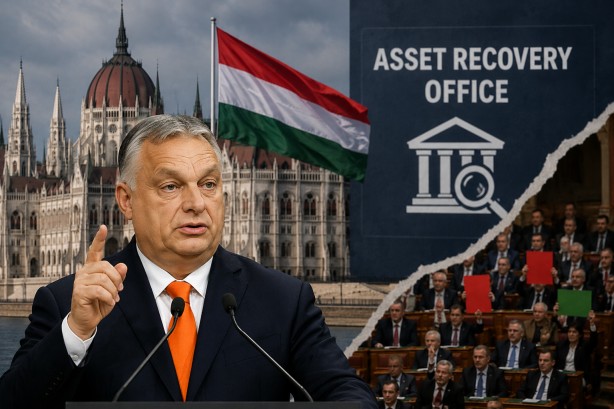
In a significant political development, Hungary’s Parliament has sanctioned the establishment of the National Asset Recovery and Asset Protection Office (NVVH). This newly formed entity is charged with the responsibility of probing into and reclaiming public assets that are suspected to have been mismanaged or illicitly transferred during the reign of previous governments. The legislative proposal garnered backing from the ruling TISZA Party as well as the opposition faction, Our Homeland Movement, although it faced opposition from FIDESZ lawmakers who voted against it.
The approval of the NVVH has ignited a political discourse in Hungary, with critics voicing apprehensions regarding the agency’s extensive investigative and prosecutorial authorities. There are concerns that these powers could potentially be wielded for political objectives, thereby raising questions about the adequacy of judicial oversight and adherence to due process. These fears underscore the contentious nature of the new office’s mandate and the potential implications for Hungary’s political landscape.
Proponents within the government maintain that the creation of the NVVH marks a robust step forward in bolstering anti-corruption measures and enhancing transparency and accountability in the stewardship of public resources. They assert that the agency will play a crucial role in safeguarding national assets and ensuring that they are managed in the public’s best interest. This perspective highlights the government’s commitment to addressing corruption and fostering a culture of integrity within public administration.
On the other hand, opposition lawmakers express trepidation over the sweeping powers granted to the NVVH, cautioning that such authority could be exploited for political persecution and could potentially erode existing legal protections. They argue that without stringent checks and balances, the agency could become a tool for political retribution, thus undermining the rule of law and democratic principles. This stance reflects the broader concerns about maintaining a fair and impartial legal system amidst the introduction of new regulatory bodies.