
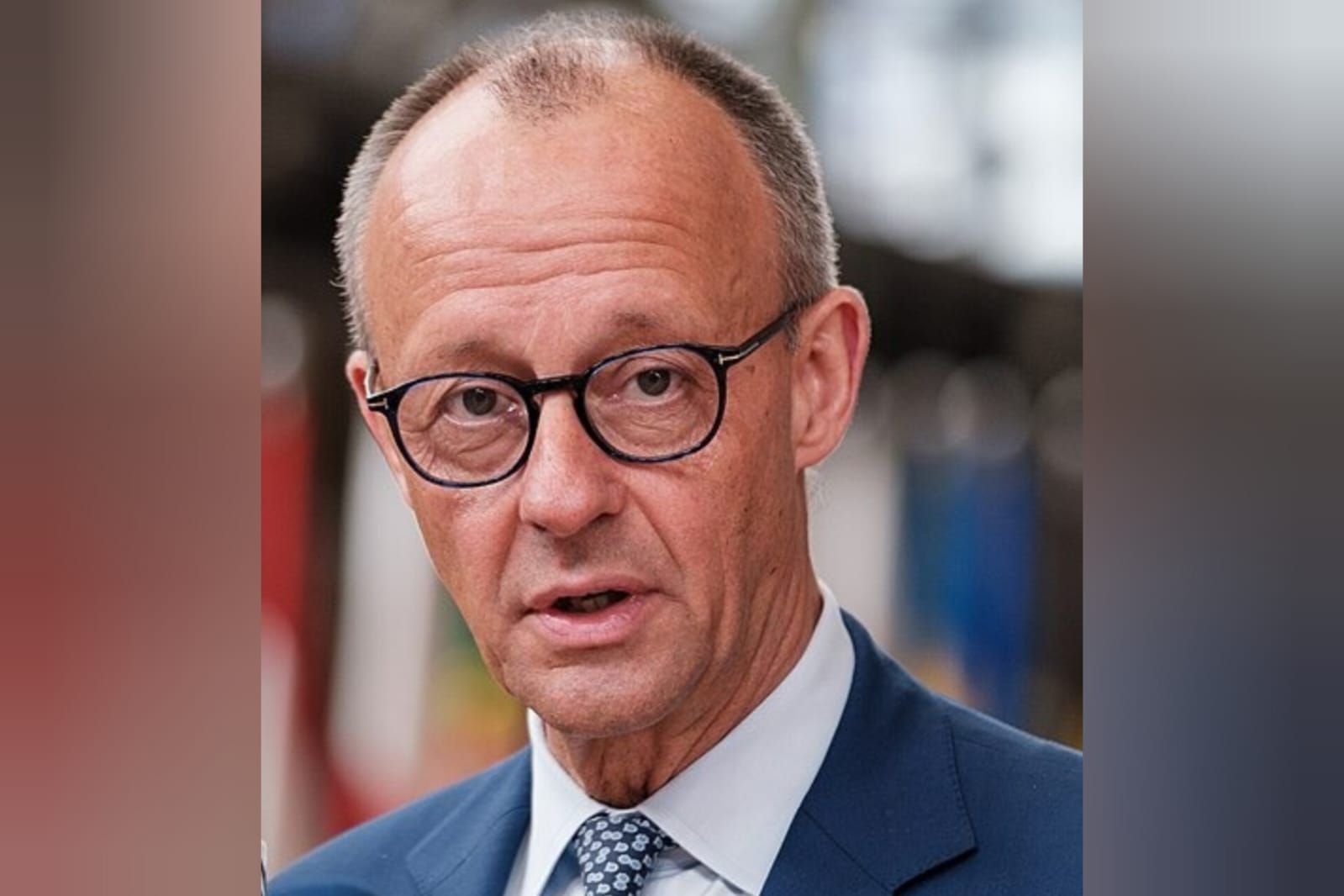
In a significant development, German Chancellor Friedrich Merz has expressed reservations about the United States as a destination for education and employment, citing the current social climate. Speaking at a gathering of young Catholics in Würzburg, Merz, known for his transatlanticist views, remarked that he no longer perceives the US as the land of opportunity it once was. The chancellor, who is already in a dispute with Donald Trump over the Iran conflict, stated, “I am a great admirer of America. At the moment my admiration is not growing,” highlighting the rapidly changing societal atmosphere in the polarized nation.
Merz advised against his children pursuing education or work in the US, emphasizing the challenges faced by even the most well-educated individuals in securing employment there. Meanwhile, he encouraged Germans to adopt a more optimistic outlook on their own country, praising Germany as one of the few nations offering substantial opportunities for youth. “I firmly believe that there are few countries in the world that offer such great opportunities, especially for young people, as Germany,” he asserted, urging his countrymen not to succumb to a “disaster mode” mentality.
The chancellor’s remarks drew sharp reactions from Trump’s allies, including Richard Grenell, a former ambassador to Germany and Republican foreign policy adviser. Grenell accused Merz of being influenced by the German media and lacking strategic direction. He criticized the chancellor’s comments as inconsistent with his earlier, more conciliatory stance during a meeting with Trump at the White House in March. Similarly, Alice Weidel, leader of the far-right Alternative für Deutschland party, criticized Merz for allegedly leading Germany towards social and economic decline while pointing fingers at the US.
Amid ongoing tensions between the US and European allies over trade and military aid to Ukraine, Merz’s remarks add another layer of complexity to transatlantic relations. The chancellor has been candid about the challenges facing the German economy, exacerbated by the US-Israeli military actions in Iran and the strategic impacts of the Strait of Hormuz closure. His blunt commentary on the US being “humiliated” by Iran has not only angered Trump but also prompted Washington to announce a partial troop withdrawal from Germany and increased tariffs on EU-imported cars, vital to Germany’s economy.
Despite these challenges and declining popularity in German polls, Merz remains committed to fostering the transatlantic relationship. He shared on social media that he recently discussed key issues such as Iran, Ukraine, and the upcoming NATO summit with Trump during a phone call. “The US and Germany are strong partners in a strong NATO,” Merz affirmed, signaling his intent to continue working towards a robust alliance despite the criticisms and tensions.