
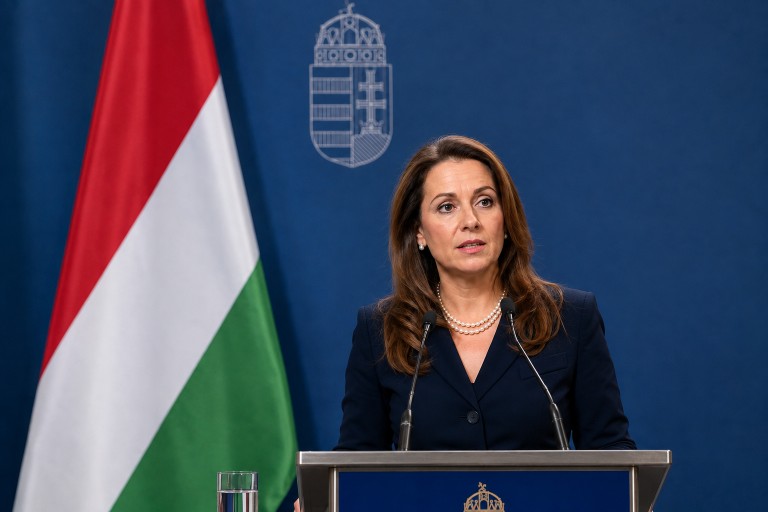
In her initial 100 days as Hungary’s Foreign Minister, Anita Orbán has encountered significant criticism, with detractors claiming that her ministry has prioritized enhancing its public image over achieving substantial diplomatic outcomes. During this period, Hungary has faced a series of pressing challenges, including an energy crisis, severe drought, and critically low water levels in the Danube River. These issues have prompted calls for more robust international cooperation, as critics argue that the government’s response has been insufficient.
The Foreign Ministry came under fire following the aftermath of Mount Etna’s eruption, which left Hungarian tourists stranded in Sicily due to flight cancellations. Questions were raised regarding the adequacy of assistance provided by Hungary’s diplomatic mission in response to this incident, highlighting concerns about the ministry’s effectiveness in crisis situations.
Another significant development during Orbán’s tenure was the dismissal of 62 ambassadors and mission chiefs across two rounds. While this move was framed as part of a broader restructuring effort, critics warned it could undermine the functionality of Hungary’s diplomatic network, potentially affecting the country’s international standing and influence.
In an effort to bolster the ministry’s public image, Orbán has launched a communications campaign aimed at showcasing the operations of the ministry and its diplomatic facilities. Despite these efforts, critics maintain that the first 100 days have yielded only minimal tangible progress in advancing Hungary’s foreign policy objectives and protecting its national interests.
As Orbán continues her role, the focus remains on how her leadership will tackle the challenges facing Hungary and whether her strategies will translate into concrete diplomatic achievements. The coming months will likely be pivotal in determining the effectiveness of her approach and the future direction of Hungary’s international relations.