
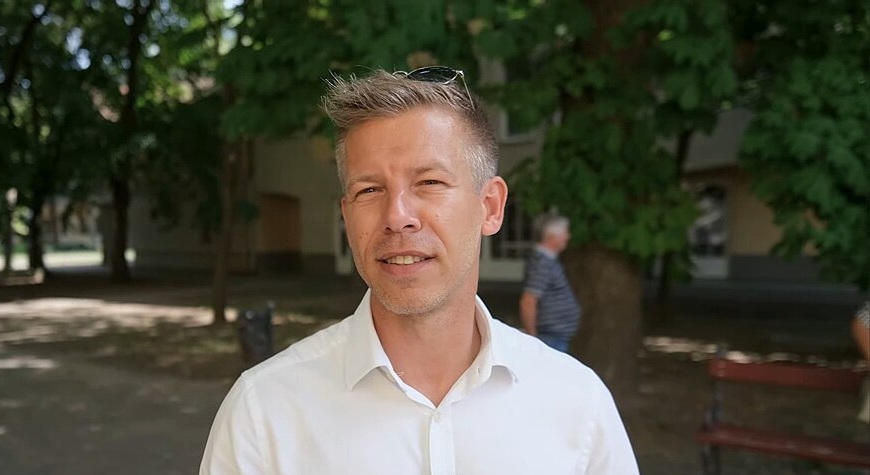
Hungary is navigating a phase of political and constitutional uncertainty following the recent electoral loss of long-serving Prime Minister Viktor Orbán and the ascent of Péter Magyar as the new head of government. With Orbán’s 16-year leadership coming to an end, Magyar’s administration is swiftly moving forward with plans to overhaul key state institutions, including a controversial bid to oust the country’s president. These efforts are part of a larger strategy to dismantle what the new government views as a deeply entrenched system of illiberal governance.
Armed with a parliamentary supermajority, Magyar’s government is contemplating constitutional amendments intended to restructure institutions established during Orbán’s tenure. Proponents of these changes assert that they are vital for reinstating democratic checks and balances and fortifying the rule of law in Hungary. However, these proposals have ignited significant debate among legal experts and political observers, who express concerns that leveraging a substantial parliamentary majority to modify constitutional frameworks could establish a dangerous precedent for future administrations to manipulate the rules for political gain.
The potential for further controversy looms, particularly if the country’s president garners support from Hungary’s judicial institutions, which could lead to a constitutional standoff between the executive and the judiciary branches. This unfolding situation underscores a critical question for Hungary: whether these proposed reforms are a necessary departure from the political legacy of the Orbán era or if they may inadvertently introduce new risks to democratic governance and constitutional stability.
As Magyar’s government presses on with its reform agenda, the outcomes of these initiatives are poised to significantly influence Hungary’s political landscape and institutional architecture in the coming years. The debate and its consequences will not only shape the future governance of Hungary but will also provide insights into the balance between reform and stability in the nation’s democratic processes.