
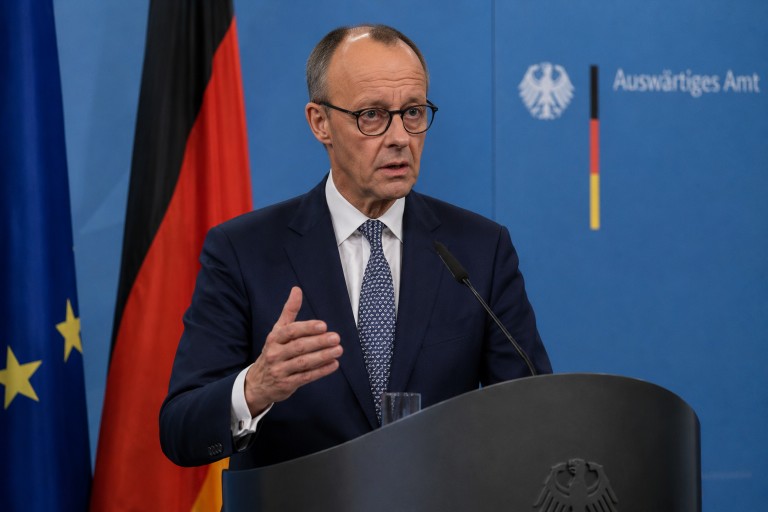
Amid rising concerns over political influence, German Chancellor Friedrich Merz cautioned the United States against meddling in Germany’s forthcoming state elections. His remarks followed the US State Department’s announcement of a grants program designed to support projects on national sovereignty, migration, censorship, and the rule of law. The program offers financial support, with grants reaching up to $3 million, available to eligible organizations, think tanks, and individuals across Europe.
Chancellor Merz underscored Germany’s stance on non-interference, highlighting that the nation refrains from involving itself in US electoral processes and anticipates similar respect in return. He pointed out that German law prohibits foreign funding for political parties, emphasizing the importance of maintaining electoral integrity within the country.
The initiative has sparked criticism from those who fear it might inadvertently bolster right-wing political movements across Europe. Critics argue that the funding, while intended to promote democracy, human rights, and sovereignty, could have unintended political ramifications. The US State Department, however, maintained that the grants are not intended for political parties and are strictly aimed at supporting democratic values and frameworks.
This development has further strained relations between the US and several European governments, as debates over political influence and the safeguarding of democratic processes continue to unfold. The situation underscores the delicate balance of international cooperation and national sovereignty in an increasingly interconnected world.