
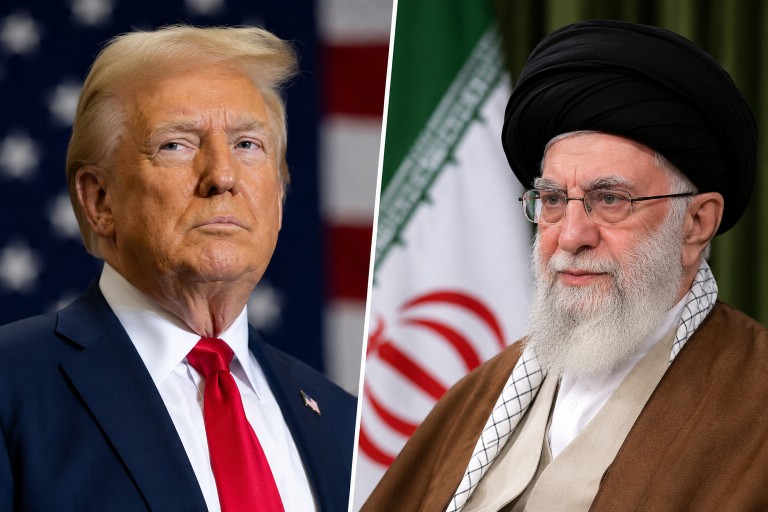
The recently announced peace agreement between the United States and Iran has been hailed by world leaders as a pivotal diplomatic milestone, promising to bring stability to West Asia and rejuvenate global trade pathways. This development, which comes after months of escalating tensions, is seen as a potential catalyst for easing economic uncertainties. Endorsed by numerous countries, the agreement aims to foster enduring peace, bolster regional security, and facilitate the reopening of the strategically critical Strait of Hormuz, a key artery for global energy shipments.
Qatar has commended the agreement as a crucial advancement towards enduring peace and economic prosperity, emphasizing the necessity of ongoing dialogue and productive negotiations between the involved parties. Turkish President Recep Tayyip Erdogan also acknowledged the deal as a favorable stride towards enhancing regional peace and security, expressing optimism that it will pave the way for a stable environment throughout the Middle East.
UK Prime Minister Keir Starmer described the accord as a significant move towards resolving the conflict and reinstating regional stability. He underscored the importance of fully implementing the agreement and ensuring that maritime routes, vital for international commerce, are reopened safely. German Chancellor Friedrich Merz echoed these sentiments, expressing hope that the breakthrough would bolster the global economy and fortify security in the Middle East by easing tensions and enhancing trade flows.
French President Emmanuel Macron urged for the rapid execution of the agreement and highlighted the critical need for reopening the Strait of Hormuz to international shipping. He also advocated for expanded negotiations to address regional security and other unresolved issues. Meanwhile, US President Donald Trump confirmed the completion of the agreement and expressed confidence that it would restore oil flows and improve economic conditions. The formal signing of the agreement is anticipated to take place in Switzerland later this week.
Pakistan, instrumental in facilitating the negotiations, verified that both nations have agreed to cease military operations and initiate the implementation of the peace framework. Mediators are expected to supervise further discussions in the lead-up to the official signing ceremony. The agreement is widely regarded as a pivotal opportunity to de-escalate regional tensions, stabilize energy markets, and lay the groundwork for sustained peace and economic cooperation across West Asia.