
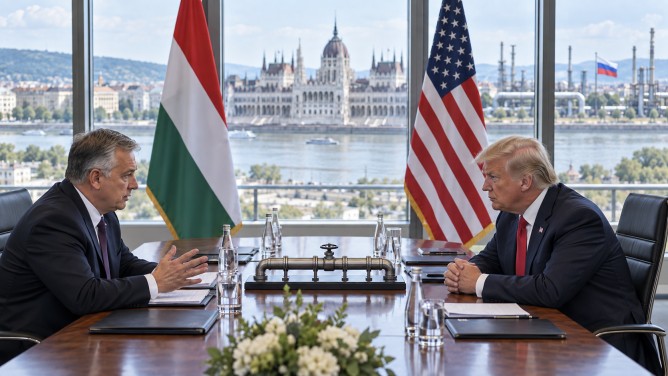
Hungary faces a potential energy dilemma as it seeks an exemption from new U.S. sanctions targeting countries that continue to import Russian oil and gas. The sanctions, established by the Lindsey O. Graham Sanctioning Russia and Iran Act of 2026, allow the imposition of tariffs up to 100% on significant purchasers of Russian energy, a measure that could severely impact Hungary’s energy supply.
Márton Hajdú, chairman of Hungary’s Foreign Affairs Committee, has been actively engaging with U.S. lawmakers, particularly Republican members of the House of Representatives, to discuss Hungary’s position. He emphasizes that Hungary’s TISZA party is committed to reducing the country’s reliance on Russian energy sources and is seeking U.S. support in diversifying its energy imports.
The urgency of this request is underscored by Hungary’s current dependency on Russian energy imports, which include approximately 5 million tonnes of crude oil and 4.5 billion cubic meters of natural gas annually. Such a heavy reliance makes the country vulnerable to the economic repercussions of the new U.S. tariffs.
The legislation, signed into law by President Donald Trump on September 18, 2026, grants the U.S. administration the authority to penalize countries that maintain significant energy trade with Russia. As Hungary navigates these challenges, its efforts to secure an exemption could play a crucial role in shaping future Hungary-U.S. relations.
The TISZA party has outlined plans to mitigate Hungary’s energy dependency on Russia, yet the country remains eager for a temporary reprieve from the sanctions to ensure energy stability during the transition. The outcome of these diplomatic engagements may significantly influence Hungary’s economic landscape and its long-term energy strategy.