
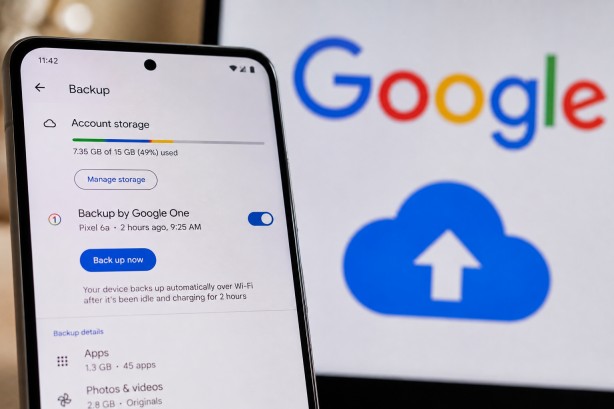
Google is set to revise its policy on how Android device backups are stored, making them count towards the free cloud storage allocation included with every Google Account. Currently, these backups—which encompass SMS messages, call history, device settings, and app data—do not consume any of the 15GB of free storage that is shared across Google Drive, Gmail, and Google Photos. However, this is about to change as Google plans to incorporate these backups into the overall storage limit.
The change is anticipated to roll out in the coming weeks. Google has indicated that the average Android backup will occupy approximately 40MB of storage. Users who are nearing or exceeding their storage capacity might need to consider freeing up space or opting for a Google One subscription to accommodate their data needs. If an account exhausts its available storage, automatic device backups will be paused until additional space is made available.
In addition to this storage policy update, Google is reportedly enhancing its backup management features. The tech giant is working on developing more detailed backup controls, which will allow users to select which apps and types of data they want to back up. This enhanced flexibility is expected to help users minimize backup sizes and exert greater control over their cloud storage management.
These upcoming changes reflect Google’s ongoing efforts to optimize storage solutions and provide users with more personalized control over their data. By counting Android backups against the free storage limit and offering more customizable backup options, Google aims to streamline the storage experience for its users while encouraging them to utilize their storage resources more efficiently.