
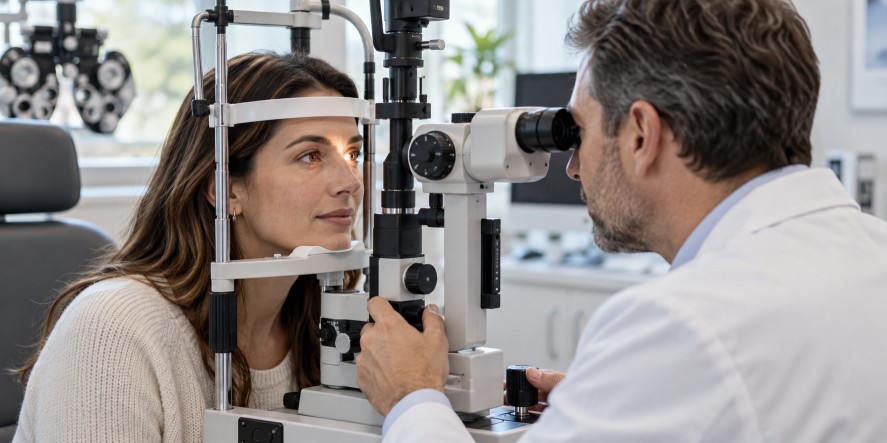
Clear vision might give a false sense of security regarding eye health, but regular eye check-ups are crucial for detecting conditions that can develop unnoticed. Retinal problems, such as diabetic retinopathy and age-related macular degeneration, often progress silently, making comprehensive eye examinations essential even in the absence of visible symptoms.
The retina, made up of delicate blood vessels and tissues, is crucial for vision. Changes in these structures, particularly due to diabetes and aging, may occur without immediate symptoms. People with diabetes and older adults are particularly at risk and should consult eye-care professionals about suitable screening schedules.
Some signs, however, should prompt immediate medical attention. These include the sudden appearance of new floaters, flashes of light, blurred or distorted vision, dark spots, or a shadow across your field of vision. Such changes in vision should not be ignored, especially if they arise unexpectedly.
While a standard vision test focuses on clarity of sight, a comprehensive eye examination assesses the retina and other internal eye structures. Depending on individual risk factors such as age and medical history, eye specialists might recommend specialized tests like a dilated retinal examination or retinal imaging.
To maintain eye health, individuals with diabetes should discuss appropriate retinal screening with their healthcare providers. Older adults should also adhere to regular eye-care appointments based on professional advice. It’s crucial not to wait for blurry vision to take action. Timely check-ups, awareness of warning signs, and medical guidance can significantly contribute to long-term vision protection.