
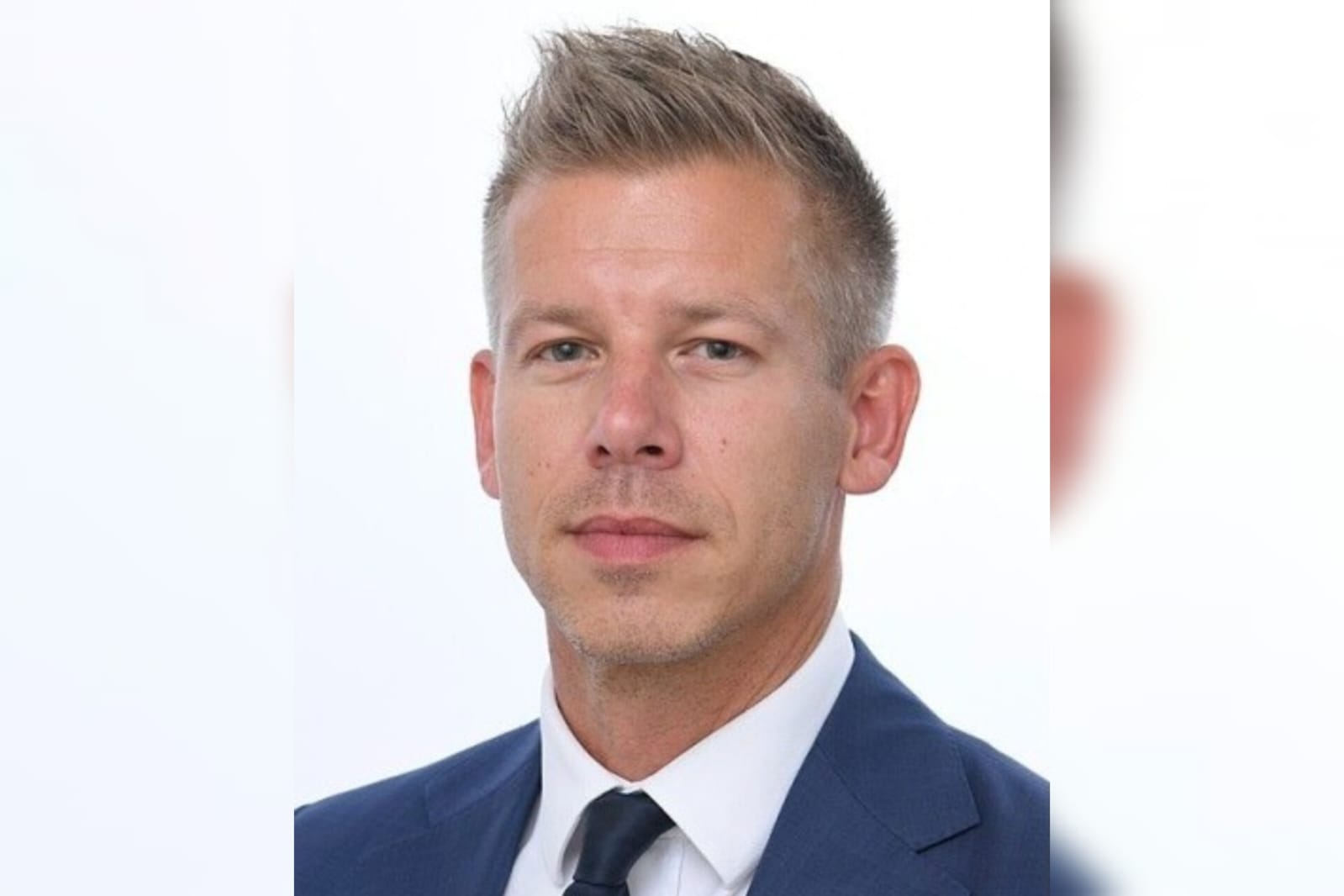
Péter Magyar, the newly elected leader of Hungary, is looking to forge a special alliance with Poland’s prime minister, Donald Tusk, drawing from Poland’s experience in mending relations with the European Union after years of strained ties due to illiberal governance. Both countries have experienced similar paths since 1989, and now, the two center-right, pro-European leaders face the complex challenge of restoring democratic norms and enhancing state institutions. The leaders communicated on election night, with Tusk enthusiastically expressing his joy from Korea, and emphasizing the region’s potential to overcome corrupt and authoritarian leadership. Magyar, in turn, acknowledged this budding partnership, announcing Warsaw as his first international destination as prime minister.
In his initial actions, Magyar has indicated plans to address the presence of two former Polish ministers in Budapest, who are evading prosecution for alleged abuses of power. These ministers were part of Poland’s previous Law and Justice government, which was defeated by Tusk’s Civic Coalition in 2023. Magyar has stressed that they should not settle comfortably, implying their stay would be short-lived. The new Hungarian parliament is expected to be inaugurated on May 9, aligning with the EU’s “Europe Day,” marking a symbolic gesture towards European integration. This partnership between Magyar and Tusk is anticipated to significantly influence Hungary’s reintegration into mainstream European politics.
As Magyar prepares to take over from Viktor Orbán at the European Council, Tusk is set to become the most experienced leader in the assembly, potentially providing valuable guidance in negotiations with the EU. Informal discussions have already begun between EU officials and Magyar’s incoming administration, with expectations for Hungary to lift its block on a €90 billion loan to Ukraine and consent to new sanctions against Russia, signifying a shift in political alignment. Hungary is also under pressure to meet various institutional and judicial reforms, as well as tackle corruption and enhance academic and asylum laws.
Behind the scenes, discussions between Polish and Hungarian officials are ongoing, focusing on how Poland’s recent strategies to overturn years of illiberal rule might be applied to Hungary. The Civic Coalition’s success in unlocking frozen EU funds after ousting Poland’s populist government serves as a blueprint. However, time is of the essence, as Hungary must meet certain “super milestones” by the end of August to access an initial tranche of €10.4 billion, with €2.12 billion already lost. Magyar’s strong parliamentary majority could facilitate this process, though substantial effort is required to implement the necessary changes swiftly.
Magyar’s commitment to join the European Public Prosecutor’s Office and probe into corruption during Orbán’s 16-year tenure is considered crucial. While Poland’s justice minister, Adam Bodnar, notes the significance of these preemptive talks, he acknowledges the challenges that remain. The reform of Hungary’s institutions and judiciary may be met with resistance from entrenched officials shaped by the previous regime, posing potential obstacles to swift reform. Nevertheless, Magyar’s decisive majority is expected to aid in executing these reforms effectively.